
12th Jun 2026
Meet the Team: Felicity Hellard, our Eating Disorder Dietician
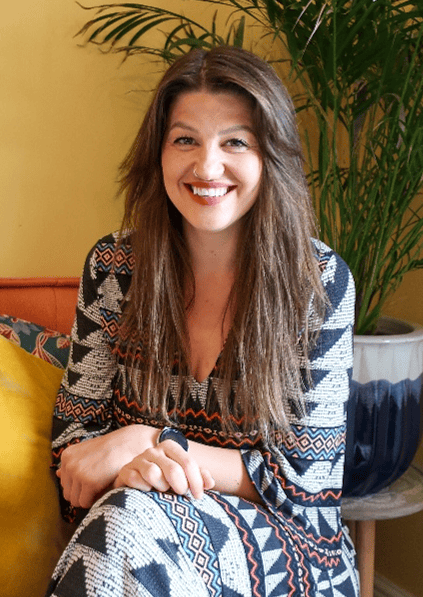
At Care in Mind, our eating disorder residential service is shaped by experienced clinicians who understand that recovery is about far more than food alone. Supporting young people with eating disorders requires a careful balance of physical health expertise and psychological understanding. Additionally, the ability to work collaboratively with individuals and their families is also essential.
At Maplehurst, this work is supported by Felicity Hellard. She is a Highly Specialist Eating Disorder Dietitian with a broad and varied background across mental health, dietetics, and therapeutic care.
Professional background and experience
Felicity’s career has been grounded in the relationship between nutrition, mental health, and physical wellbeing. After qualifying as a dietitian, she began working within acute mental health inpatient settings. There, she supported individuals with a wide range of presentations. These included personality disorders, psychosis, schizophrenia, depression, and obsessive compulsive disorder (OCD).
This early experience shaped her understanding of how eating behaviours and nutritional status are closely linked to emotional wellbeing, routine, and wider environmental factors.
She went on to specialise in eating disorder services within NHS Child and Adolescent Mental Health Services (CAMHS). She supported young people and their families with:
- Anorexia nervosa
- Bulimia nervosa
- Avoidant Restrictive Food Intake Disorder (ARFID)
- Binge eating disorder
During this time, her role developed from a dietetic position into a more integrated Clinical Specialist role. This combined nutritional care planning with therapeutic interventions. She trained in Family-Based Treatment (FBT and FBT-AN) and guided self-help for eating disorders. Felicity also completed training in foundation in systemic family therapy, motivational interviewing and behaviour change.
Alongside her clinical work, Felicity held an academic role within the dietetics department at Leeds Beckett University. She led the development of new placement opportunities across private, independent and voluntary (PIVO) organisations. In addition, she worked in collaboration with Integrated Care Boards (ICBs) and local providers to expand training opportunities within specialist mental health services.
Within CAMHS, she also worked closely with the specialist autism team to adapt clinical processes and interventions to be more neurodiversity-friendly. This included contributing to service-wide training and incorporating lived experience from young people and families. Furthermore, she supported more accessible and inclusive approaches to care.
She was also part of a multidisciplinary working group developing and implementing ARFID pathways within the service and across the wider NHS Trust. This supported improved identification, care planning, and consistency of treatment for young people.
Felicity has also worked as a Lead Forensic Dietitian. There, she developed a strong understanding of how systems, routines, and environments influence eating behaviours and food choices.
Her practice is further informed by a systemic perspective. She has foundation-level training in systemic family therapy, enabling her to work not only with individuals, but also alongside families and wider support networks to support meaningful and sustainable change.
Working within an eating disorder residential service
Felicity joined Care in Mind 18 months ago. She was quickly drawn to the organisation’s person-centred, trauma-informed approach to residential eating disorder care.
At Maplehurst, this model allows for flexible, individualised care that prioritises engagement, therapeutic relationships, and long-term recovery. This is particularly important for young people who may not have responded to traditional treatment approaches.
She works closely within our in-house multidisciplinary clinical mental health team to support young people in rebuilding their relationship with food while developing practical skills for everyday life. This includes:
- Establishing structured but flexible routines
- Building confidence with eating in different settings
- Managing nutrition alongside education and social demands
- Understanding the link between nutrition, mood, and physical health
A neurodiversity-informed approach
A key aspect of Felicity’s work is recognising the high prevalence of neurodiversity within eating disorder populations.
She takes a neurodiversity-affirming approach, adapting care to individual needs rather than applying standardised models. This includes working with:
- Sensory preferences and sensitivities
- The need for routine and predictability
- Differences in executive functioning
This approach focuses on understanding how eating behaviours are shaped and supporting these differences, rather than attempting to change them.
Rebuilding relationships with food
Food plays a central role in daily life – supporting not only physical health, but also social connection, identity, and emotional wellbeing.
Felicity supports young people to rebuild their relationship with food through:
- Exploring beliefs and experiences around eating
- Supporting gradual exposure to eating situations
- Building confidence and autonomy
- Integrating eating into everyday routines
This work is always linked to the wider goals of the young person. Such goals include returning to education, socialising, and increasing independence.
Supporting families and wider systems
Eating disorders impact not only individuals, but also families and support networks. Felicity’s background in systemic family therapy and family-based approaches allows her to work alongside families to:
- Increase understanding of eating disorders
- Build confidence in supporting recovery
- Navigate emotional and practical challenges
- Rebuild relationships
This is an important part of supporting long-term recovery beyond the residential setting.
Evidence-based and safe practice
In a landscape where nutrition advice is often drawn from unregulated online sources, providing safe, evidence-based care is essential.
As a registered dietitian with the Health and Care Professions Council (HCPC) and a member of the British Dietetic Association (BDA), Felicity provides clinically grounded nutritional assessment and treatment.
Additional areas of interest
Alongside her work in eating disorders, Felicity has a particular interest in gastrointestinal health, including the relationship between digestion, stress, and mental health. She is trained in delivering the low FODMAP diet for individuals with irritable bowel syndrome (IBS), supporting those where gastrointestinal symptoms and eating difficulties overlap.
Supporting recovery at Care in Mind
At Care in Mind, dietetic support sits within a wider integrated model in our eating disorder residential service. This model combines therapeutic input, structured routines, and a focus on long-term recovery.
Felicity’s role reflects this approach, combining:
- Specialist dietetic knowledge
- Therapeutic understanding
- Neurodiversity-informed care
- Practical, real-world support
Through this work, young people are supported not only to stabilise physically, but to reconnect with what matters most to them.